
The World we live in is full of various species, inhabiting different ecosystems, characterised by numerous traits, and playing certain roles in their environment. On this page, you can discover some of them that surround you and get to know key facts about them and their influence on ecosystem they live in!
Explore
Album of Species
Get to know species!
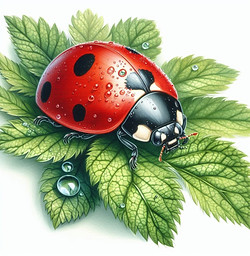
Ladybug
Ladybugs reduce the need for the use of inecticides, thus reducing the pollution and protecting health. They are commonly used as an biological pest control.

Honeybee
Honeybees are responsible for reproduction of many plants since they transfer the pollen once getting the nectar from various plants. It is crucial act of plant pollination.

Snail
Snails contribute to the recycling of the organic matter, favoring the work of microorganisms. Additionally, fragmented leaf litter provides a food source for others.

Ant
Ants contribute to the aeration of the soil and the incorporation of nutritients
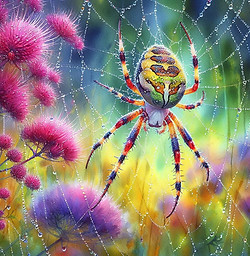
Spider
Spiders are one of the most important decomposing animals, since they are the ones, who consume the most insects, helping to regulate their number present in nature.
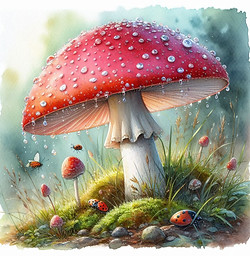
Mushroom
Mushrooms can break down different types of dead matter, whether they are leaves, plants
or fecal matter and these fungi absorb nutrients from this matter.
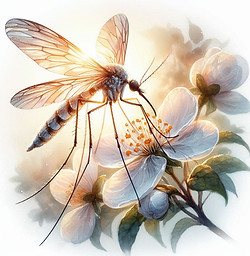
Mosquitos
Most of mosquitos spend their entire lives without disturbing humans, feeding on
fruits and plants.

Flower Fly
Flower flies feed on white or yellow flowers. By feeding on this nectar, they contribute to transporting pollen.
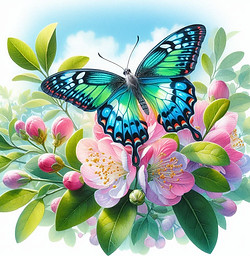
Butterfly
There are over 28 000 species of butterflies, each unique based on habitat it lives in. Regardless the specie, the key contribution of butterflies to the environment is pollination.
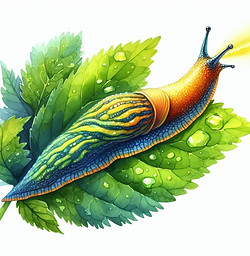
Slug
Slugs feed on plant or animal residues. They contribute as indirect pollinators by crawling on the flowers, with which they
release the pollen and transport it to other places.
Discover our pamphelt of species
We have already discovered the diversity of species and their importance for the overall well-being of ecosystems! But another important part of nature is the fauna.
Below you will find a brochure on the species that grow in Stuttgart. Before you start planting in your bio-interventions, make sure that the species you've chosen are native to your area. Introducing invasive species into an environment can significantly alter its functioning, often in unpredictable ways.
Dive in and explore the species!
With this game, you can test weather you remember what role certain species play in proper functioning of the ecosystem they live in! Match the photo of each specie with the function it plays in the ecosystem!
“This is a story of our changing planet, and what we can do to help it thrive…”
- Sir David Attenborough
Relations between species
Different species interact with each other in many different ways. One of the most obvious ways that species interact is through the food chain, which is one of the ways that energy and nutrients are transferred in nature. Each species is part of many different food chains, and when all of them are represented as overlapping and interconnected, the food web is complete.
Depending on the position within the food chain, species can be categorised in 3 different groups, them being producers (species that produce their own food, e.g. plants), consumers (species that consume other living species, e.g. herbivors and carnivores) and last but not least decomposers (species that consume other non-living species, e.g. fungi and bacteria).
